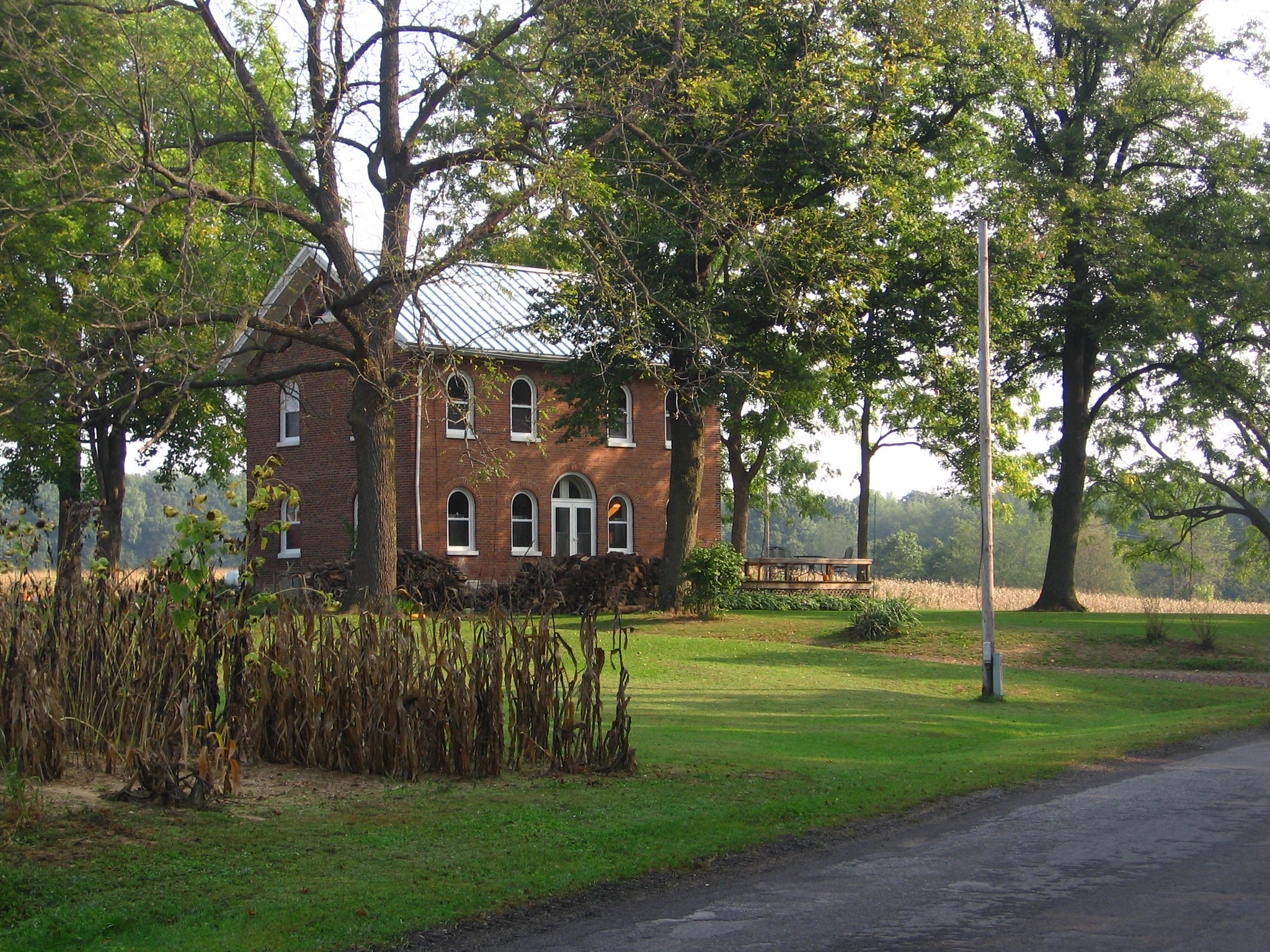
Whether you’re in a Baltimore rowhome or on acres of land looking out at the Chesapeake, one of the unexpected joys of homeownership is the opportunity to plant trees on your property. Maybe you have already thought of the height, shape, and location of your tree, though here are three additional considerations worth making.
Native vs. Non-Native vs. Invasive
Native trees establish easily, require little maintenance, and contribute to the local ecosystem. Not all non-native trees are problematic, but some invasive species outcompete natives or support pests and should be avoided. The spotted lanternfly and its favorite haunt, the tree of heaven (Ailanthus altissima), are a topical example. A non-native tree is not a wrong choice, but it is worth knowing what you are trading before you plant one.
Animals
When planting a tree, you are also commissioning an apartment building and food court for local wildlife. Native trees are the first stepping stone for building a healthy ecosystem. Berry-producing trees invite birds (so avoid parking under them!) while oaks host upwards of 500 caterpillar species which in turn create a ballet of butterflies. Bats and owls are also attracted to healthy ecosystems and will nest in larger trees where they hunt out insects and pests. While some animals are a nuisance, it is better to invite them all to provide balance to the habitat.
Seasonality
Trees go through a variety of stages throughout the year. Take the eastern redbud (Cercis canadensis): pink buds in spring, heart-shaped leaves and seed pods through summer, vibrant reds and oranges in autumn, and clinging seed pods through winter. Understanding these changes allows for better choreography with the seasons and deepens your bond with the tree.
Some days a tree is just a tree, but for those instances when the moment shines bright, it is pushing your child on a swing, a woodpecker through binoculars, a reminder that spring still comes. Me? I chose the eastern redbud. Couldn’t you tell?
Sources:
Maryland Department of Natural Resources. “Habitat Tips: Owl-Friendly Backyards.” Maryland DNR News, 16 Apr. 2021, news.maryland.gov/dnr/2021/04/16/habitat-tips-owl-friendly-backyards/.
Maryland Department of Natural Resources. “Supporting Bats with Gardening.” Maryland DNR News, 13 Nov. 2023, news.maryland.gov/dnr/2023/11/13/supporting-bats-with-gardening/.
Maryland Department of Natural Resources. Who Lives in a Tree? Supplemental Guide. dnr.maryland.gov/wildlife/documents/wholivesinatreesupplementalguide.pdf.
